


Key Takeaways
- Ozempic can lower your appetite, so you may eat and drink less than before.
- Less water and less saliva can let plaque build up faster on your teeth.
- Nausea and reflux can bring stomach acid into your mouth, which can wear down enamel.
- Simple daily habits and regular cleanings can help protect your smile.
- Your dental team can plan your care when they know about all your medications.
Maybe you started Ozempic and noticed your water bottle comes home from school pickup still half full. Or your mouth feels dry and sticky by mid-afternoon. Small shifts like these are easy to miss, and the team at Springbank Dental Centre wants to help you connect the dots between your medication and your mouth.
Ozempic can shrink your appetite, change how much you eat and drink, and sometimes cause nausea, which can lead to dry mouth and enamel wear over time. The good news is that small habits at home and gentle cleanings like Guided Biofilm Therapy can help you stay ahead of these changes.
What Is Ozempic & Why Can It Affect Your Teeth?
Ozempic is a GLP-1 medication prescribed for type 2 diabetes. The same active ingredient is also sold as Wegovy for weight management. It works partly by helping you feel full sooner.
A smaller appetite often means you eat less food and drink less water through the day. Your mouth notices that change, even when you don’t.
These changes tend to show up gradually. You might not see anything new for a while, so it helps to know what to watch for.
Mouth Changes to Watch For on Ozempic
Here are some signs your mouth may be reacting to the change:
- Your mouth feels dry or sticky, or you feel thirstier than usual.
- Your teeth feel sensitive to cold, hot, or sweet foods.
- You notice bad breath, tender gums, or bleeding when you brush.
If any of these persist or worsen, let your dental team know at your next visit or give them a call.
Dry Mouth & Less Saliva
Saliva does quiet work all day, rinsing away food and helping protect your teeth.
When you have less of it, plaque can build faster. Plaque is the sticky film of germs that forms on your teeth, and it’s what your toothbrush works to clear away each morning and night.
Nausea, Reflux & Enamel Wear
Enamel is the hard outer layer of your tooth, your tooth’s protective shell.
Some people feel nauseated or get reflux while taking Ozempic. When stomach acid reaches your mouth, it can soften enamel and wear it down. If nausea or reflux sticks around, let your doctor know too.
How Your Mouth Connects to Your Overall Health
Blood Sugar & Gum Health
Gum disease and blood sugar can affect each other. That’s why your gums matter so much if you take Ozempic for type 2 diabetes.
Healthy gums support the health goals you’re already working toward, and caring for them is one more way to look after your whole body.
What a Saliva Test Can Show
An Oravital saliva test is a simple sample of your saliva, sent to a lab to check for germs that can affect your mouth and overall health. It helps the team plan care around your needs instead of guessing.
Simple Ways to Protect Your Teeth on Ozempic
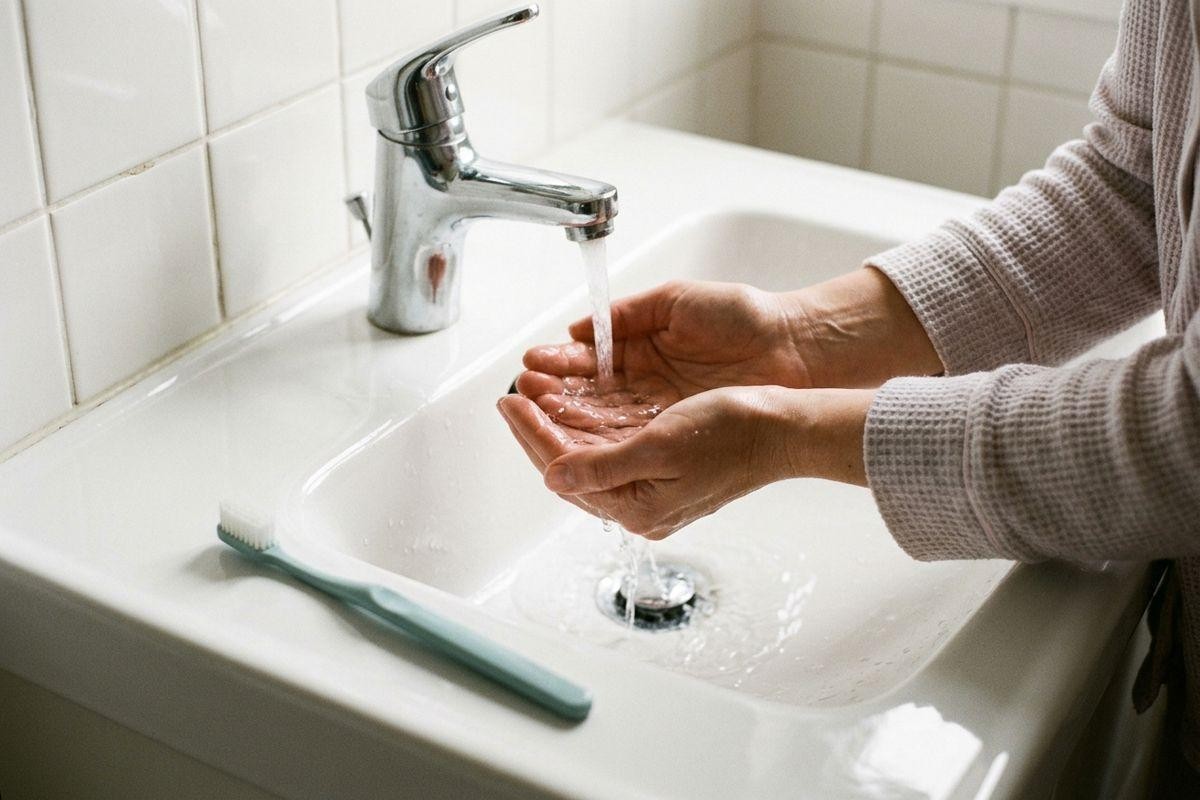
Daily Habits at Home
These small steps fit easily into a busy day:
- Sip water often, even when you don’t feel thirsty.
- After vomiting, rinse your mouth with water and wait 30 minutes before you brush.
- Try sugar-free gum or xylitol mints to help keep saliva flowing.
Keeping a water bottle in the car or on your desk can help you remember. It’s a simple habit your kids may pick up from you, too.
Support From Your Dentist in SW Calgary
Your dentist in SW Calgary can add another layer of support with these options:
- Guided Biofilm Therapy, or GBT, offers gentle and thorough plaque removal.
- Fluoride treatments can help strengthen softened enamel.
- Your cleaning schedule can be built around your mouth and your medications.
Ozempic & Your Teeth FAQs
What Is “Ozempic Teeth”?
“Ozempic teeth” is a popular nickname, not an official dental term. It usually refers to dry mouth and enamel wear in people taking the medication.
How Often Should You Get Your Teeth Cleaned?
It depends on your gums, your saliva, and your cavity risk. Your dental team can suggest a schedule that fits you.
What Should You Tell Your Dental Team?
A few details can help your team give you more personal care:
- Share all your medications, including Ozempic and any dose changes.
- Mention any nausea, reflux, or dry mouth you’ve noticed.
- Ask your dentist in SW Calgary about saliva testing.
Care for Your Smile at Springbank Dental Centre
You take care of everyone at home, and your own health deserves the same attention. Ozempic can be one part of your health plan, and your smile can stay part of it too.
If you’re looking for a dentist in SW Calgary who takes time to listen, Springbank Dental Centre welcomes you and your whole family. Book a visit to talk about your medications, ask about saliva testing, and build a care plan that fits your life.