

Key Takeaways
- Sleep apnea happens when your breathing stops and starts while you sleep.
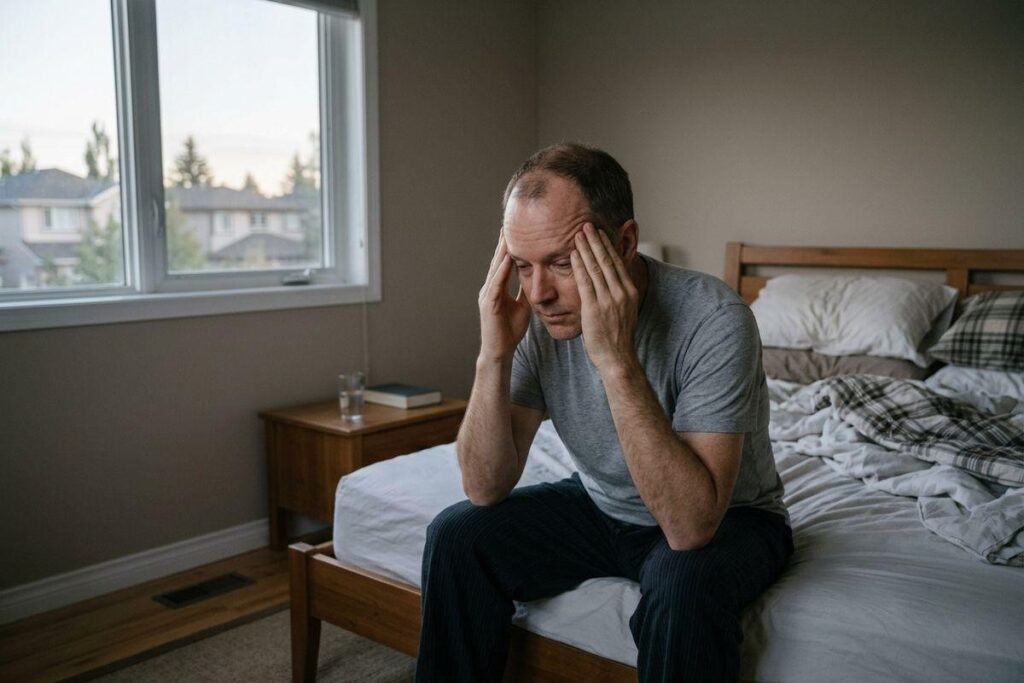
- Daytime sleepiness, morning headaches, loud snoring and gasping may be signs, but symptoms alone do not confirm sleep apnea.
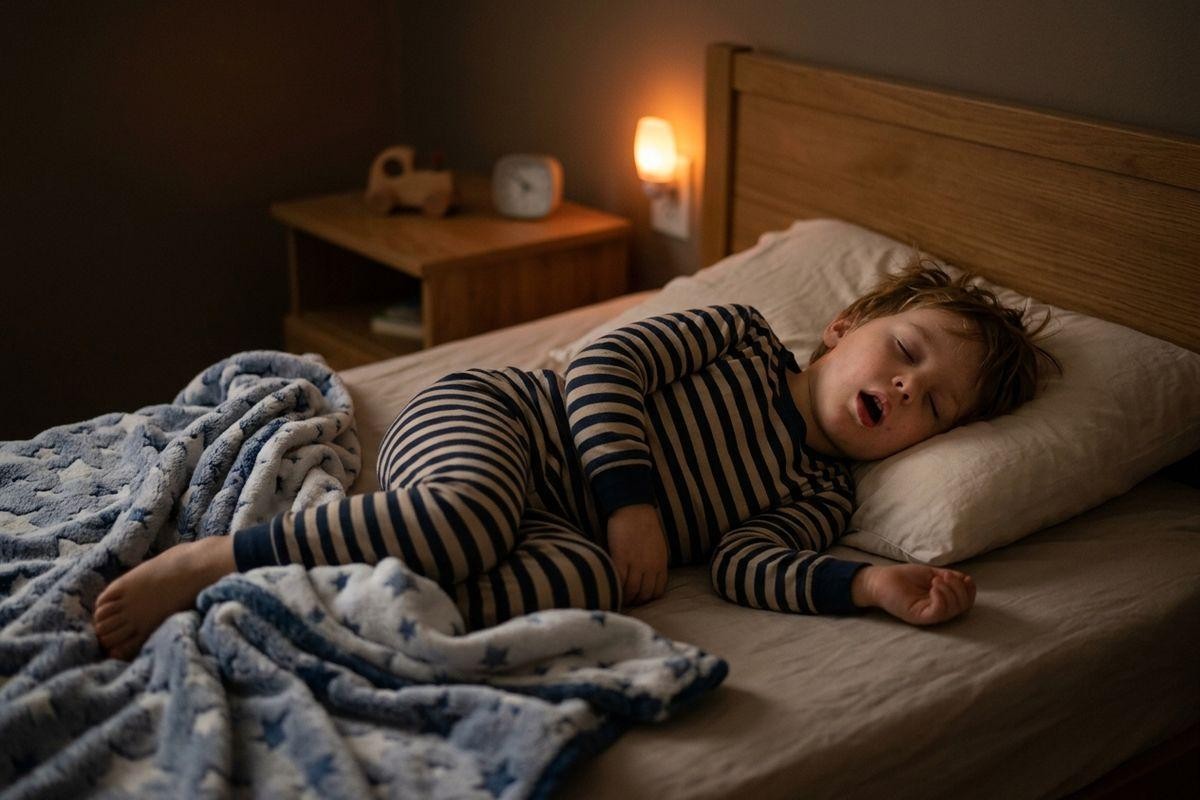
- Kids can show different signs like mouth breathing, bedwetting, and trouble at school.
- Other sleep problems can look like sleep apnea, so it helps to know the difference.
- A sleep study can help confirm sleep apnea; a dentist may discuss an oral appliance when appropriate.
Feeling tired despite a full night’s sleep can have many causes. At Springbank Dental Centre, our team can discuss symptoms associated with sleep apnea, a condition in which your breathing pauses and restarts repeatedly during sleep.
Daytime tiredness, morning headaches, loud snoring or breathing pauses may be signs of sleep apnea. However, symptoms alone cannot confirm a diagnosis; a sleep study is used to evaluate the condition.
Different Types of Sleep Apnea
There are two main types. Obstructive sleep apnea occurs when the airway is repeatedly blocked during sleep. Central sleep apnea occurs when the brain’s signals to the muscles that control breathing are disrupted. A sleep study helps determine whether sleep apnea is present and, if so, its type and severity.
Warning Signs You Can Spot at Home
Some clues show up during your day, and others show up while you sleep. Paying attention to both can help you catch the pattern early. Watch for these signs:
- Feeling tired all day even after a full night in bed
- Waking up with a headache or a dry mouth
- Trouble with focus, memory, or a shorter fuse than usual
Signs Your Partner Might Notice
The person sleeping next to you often spots things you can’t. They may hear or see the signs below:
- Loud snoring, gasping, or choking sounds
- Pauses in your breathing that stop and then start again
- Restless tossing and turning through the night
Signs of Sleep Apnea in Kids
Children can have it too, though symptoms may differ from adults.
Signs can occur during the day or at night. Watch for:
- Snoring, mouth breathing, or bedwetting
- Restless sleep with frequent waking
- Trouble at school or attention issues during the day
If your child snores regularly, breathes through their mouth or has breathing pauses, discuss it with their healthcare provider. A sleep study is needed to diagnose sleep apnea in children.
What Else Gets Mistaken for Sleep Apnea
Daytime fatigue and poor sleep can have many causes. Other conditions can cause similar symptoms, so it’s best not to self-diagnose. They may include:
- Restless legs syndrome, which brings leg discomfort and the urge to move at night
- Insomnia, where you lie awake and struggle to fall or stay asleep
- Narcolepsy, which causes sudden waves of sleepiness during the day
Symptoms such as feeling worn out during the day can have different causes. A healthcare provider can help determine what assessment is appropriate.
Who Faces Higher Risk
Some things can raise your chances of sleep apnea. Knowing them helps you see where you stand:
- Extra weight or a larger neck size
- Family history and getting older
- Alcohol, smoking, or ongoing nasal congestion
Your Next Steps for Answers
If you’re noticing these signs, discuss them with your healthcare provider. They can help determine whether a sleep study or other assessment is appropriate.
- Ask a dentist about Springbank’s at-home sleep study
- Complete a sleep study if recommended to confirm whether sleep apnea is present.
- If sleep apnea is confirmed, ask whether custom oral appliances may be appropriate.
A custom oral appliance is designed to reposition the jaw and help keep the airway open during sleep. It may be an option for some patients, depending on sleep-study findings and clinical assessment.
How Our Team at Springbank Dental Centre Can Help
If you have concerns about snoring, gasping or ongoing daytime sleepiness, contact Springbank Dental Centre to ask about the at-home sleep study and whether an oral appliance may be appropriate. To discuss next steps, book a visit.