


You might feel a dull, constant pain in your ear, but you know it’s not an ear infection. This can be confusing and frustrating, especially when you can’t pinpoint the source of your discomfort. Our team at Springbank Dental Centre wants you to know that these uncomfortable feelings might not be related to your ear.
The temporomandibular joint (TMJ) can be contributing to the pain that you feel in and around your ear. This joint acts like a sliding hinge, and when it’s not working correctly, the discomfort can show up in surprising places.
The Link Between Your Jaw & Ears
Why Your Jaw Can Cause Ear Pain
Your body’s structures are closely connected, and the jaw and ear are prime examples of this. The close relationship between them is why a problem in 1 area can create symptoms in another.
Your jaw joint, called the TMJ, is located very close to your ear canal. If your joint is inflamed, the discomfort can feel like it’s coming from the neighbouring tissues in your ear. On top of that, the powerful muscles you use for chewing also surround your ears. When these muscles become tight or overworked, the tension can radiate, causing what feels like an earache.
Your jaw and ear also share some of the same nerve pathways. Your brain can sometimes “misread” pain signals from temporomandibular disorders, making you feel like the pain is coming directly from your ear.
How to Spot TMJ-Related Ear Pain
Common Signs
TMJ-related ear pain often feels different from a typical ear infection. You may notice specific sensations that point to your jaw as the source of the problem, such as:
- A dull, aching pain that feels like it’s deep inside or right in front of your ear
- A feeling of fullness or pressure, as if your ears need to pop
- A persistent ringing sound in your ears, a condition known as tinnitus
Other TMJ Symptoms You May Notice
If your ear pain is linked to TMJ, you may also have other symptoms related to your jaw function. Pay attention to how your jaw feels and sounds when you use it throughout the day, such as:
- Jaw sounds like clicking, popping, or grinding when you open your mouth or chew
- Headaches or pain that spreads across your face, temples, and neck
- Difficulty or pain while you chew your food
Simple Ways to Find Relief at Home
Gentle Self-Care Tips
For mild discomfort, a few simple at-home strategies can help ease jaw tension and reduce your ear pain. These tips focus on relaxing the muscles and giving your jaw a much-needed rest. Try to:
- Apply a warm compress to the side of your face to help soothe sore muscles
- Stick to soft foods like yogurt, soups, and smoothies to avoid overworking your jaw
- Try gentle jaw stretches, like slowly opening and closing your mouth, to relieve stiffness
How Professional Treatment Can Help
What to Expect from Your Dentist
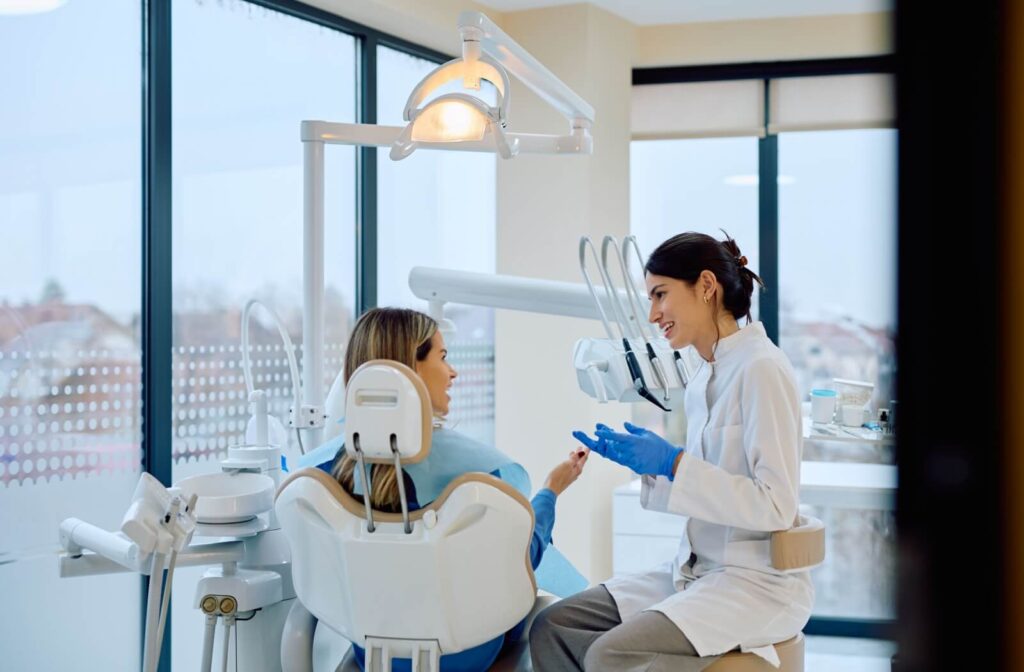
If at-home care doesn’t provide enough relief, a dental professional can help you find a more direct solution. The first step is usually a careful examination of your jaw, teeth, and bite to understand how everything works together.
Your dentist may talk to you about custom-fit oral appliances, such as a night guard. This device can help to reduce strain on the joint and muscles. Based on the examination, your dentist can create a personalized plan to help you manage your symptoms effectively.
Get a Clear Diagnosis
Understanding where your pain is coming from can help our dental team put you on the path to relief. A professional diagnosis helps you focus on treatment that addresses the actual source of your discomfort rather than just masking the symptoms.
When to Talk to a Professional
Signs You Need a Dental Visit
While minor jaw discomfort can sometimes resolve on its own, certain signs indicate it’s time to seek professional care. You shouldn’t have to live with persistent pain that disrupts your life. It might be time to book an appointment if you notice:
- Your pain lasts for more than a few days and doesn’t improve with self-care
- Your jaw gets stuck or locks in an open or closed position
- You have trouble eating, talking, or opening your mouth wide without pain
Find Relief from Jaw Pain
You deserve to feel comfortable. Our team at Springbank Dental Centre believes in looking at your jaw pain from a whole-body perspective, understanding how everything works together, so we can put you on a path to relief. Using a personalized and caring approach, we aim to help you feel normal again. Schedule a visit today.